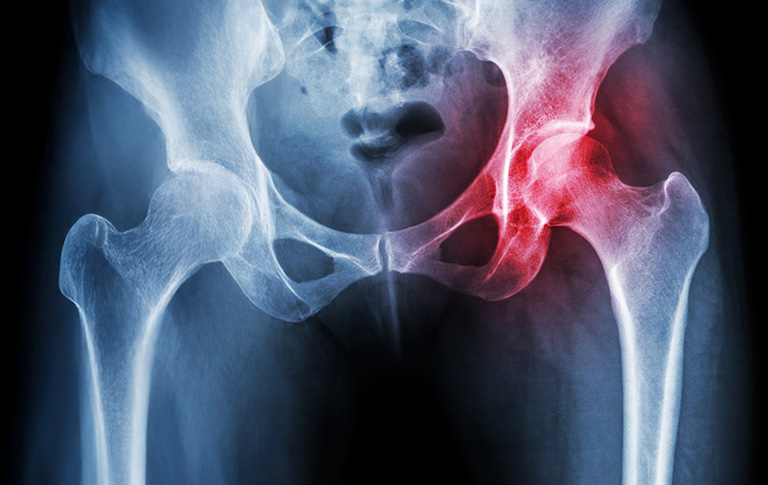

Anterior / Posterior Replacement

Anterior Hip Replacement Surgery

Anterior hip replacement is a minimally invasive surgical approach that accesses the hip joint from the front, significantly reducing muscle disruption and enhancing early recovery.

What is Anterior Hip Replacement?

Anterior hip replacement involves replacing the damaged hip joint through an anterior (front) incision, minimising muscle trauma and enhancing postoperative outcomes.

Benefits of Anterior Hip Replacement:

  • Minimally invasive
  • Reduced muscle trauma
  • Faster early recovery
  • Shorter hospital stay
  • Lower risk of dislocation

Posterior Hip Replacement Surgery

Posterior hip replacement involves accessing the hip joint from the side or back, a traditionally effective method suitable for a variety of patient conditions.

What is Posterior Hip Replacement?

The posterior approach accesses the hip joint through an incision from the side or back, a traditional and proven, reliable method for diverse surgical requirements.

Benefits of Posterior Hip Replacement:

  • Reliable and time-tested surgical approach
  • Effective for a wide range of patient anatomies
  • Suitable for specific anatomical or surgical needs
  • Lower rate of intra operative fracture risk

Who is an Ideal Candidate?

Ideal candidates for anterior or posterior hip replacement experience significant hip pain, limited mobility, or dysfunction due to conditions such as osteoarthritis, rheumatoid arthritis, or other degenerative joint diseases that haven’t adequately responded to non-surgical treatments.

Recovery and Rehabilitation

Patients typically begin rehabilitation shortly after surgery, with hospital stays lasting approximately 1 to 3 days. Full recovery is generally achieved within 6-12 weeks, with ongoing support through physiotherapy.

Potential Risks and Complications

Risks may include infection, blood clots, nerve injury, and complications related to prosthetic implants. Dr Kerr will discuss these thoroughly during your consultation.


Frequently Asked Questions

The procedure typically takes 1-2 hours, depending on its complexity.

Hip replacements have an excellent survivorship beyond 20 years, depending on the patient’s activity levels and overall health. For more specific data on this, the Australian Orthopaedic Association Joint registry tracks the survivorship of all implants used in Australia.

Most patients start walking with assistance either the same day or the day after surgery.

Yes, hip replacement surgery is typically covered; however, it’s advisable to confirm the specifics with your insurer or Medicare provider.

Anterior hip replacement involves a front incision with minimal muscle disruption and potentially quicker recovery. Posterior hip replacement accesses the joint from the side or back, making it suitable for a diverse range of patient conditions and anatomies.

Yes. Dr Kerr initially considers conservative treatments such as physiotherapy, medications, or injections before recommending surgery.

Our Services

Hip Surgery

Robotic Knee Replacement Surgery

Sports Knee Injuries

Fracture and Trauma Care