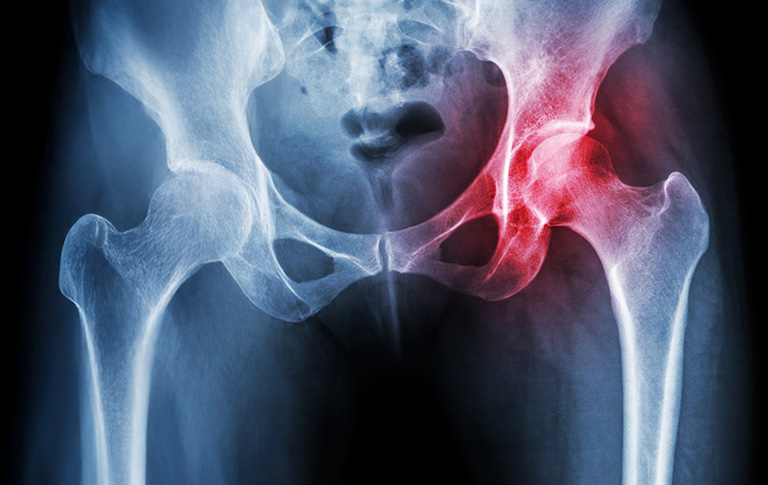

Anterior hip replacement is a minimally invasive surgical approach that accesses the hip joint from the front, significantly reducing muscle disruption and enhancing early recovery.
Anterior hip replacement involves replacing the damaged hip joint through an anterior (front) incision, minimising muscle trauma and enhancing postoperative outcomes.
Posterior hip replacement involves accessing the hip joint from the side or back, a traditionally effective method suitable for a variety of patient conditions.
The posterior approach accesses the hip joint through an incision from the side or back, a traditional and proven, reliable method for diverse surgical requirements.
Ideal candidates for anterior or posterior hip replacement experience significant hip pain, limited mobility, or dysfunction due to conditions such as osteoarthritis, rheumatoid arthritis, or other degenerative joint diseases that haven’t adequately responded to non-surgical treatments.
Patients typically begin rehabilitation shortly after surgery, with hospital stays lasting approximately 1 to 3 days. Full recovery is generally achieved within 6-12 weeks, with ongoing support through physiotherapy.
Risks may include infection, blood clots, nerve injury, and complications related to prosthetic implants. Dr Kerr will discuss these thoroughly during your consultation.